Install Septic System Cost: What to Budget in 2026
Terramify editorial team · Updated September 11, 2026 · 4 min read
The essentials
- Typical conventional septic install runs $3,500–$12,000; engineered systems hit $15,000–$30,000+.
- Soil type and drain field conditions affect cost more than tank size alone.
- A perc test ($250–$1,500) is required before most counties issue permits.
- Use the estimator to gauge your project before you call contractors.
If you're planning a septic system, the first question is usually "what will it cost?" The honest answer is: it depends on your site, your house, and your local rules. But here's the headline: a conventional installed septic system in the US typically runs $3,500 to $12,000, while complex or engineered systems can cost $15,000 to $30,000 or more. The difference between those ranges is mostly about your land.
What Drives the Cost? The Simple Version
Three factors dominate the price: tank size, soil conditions, and the drain field. The tank size depends on your home's bedrooms. The rule of thumb: 1,000 gallons for up to 3 bedrooms, 1,250 for 4, and 1,500 for 5. More bedrooms mean a bigger tank and more excavation, but the price jump between those sizes is modest.
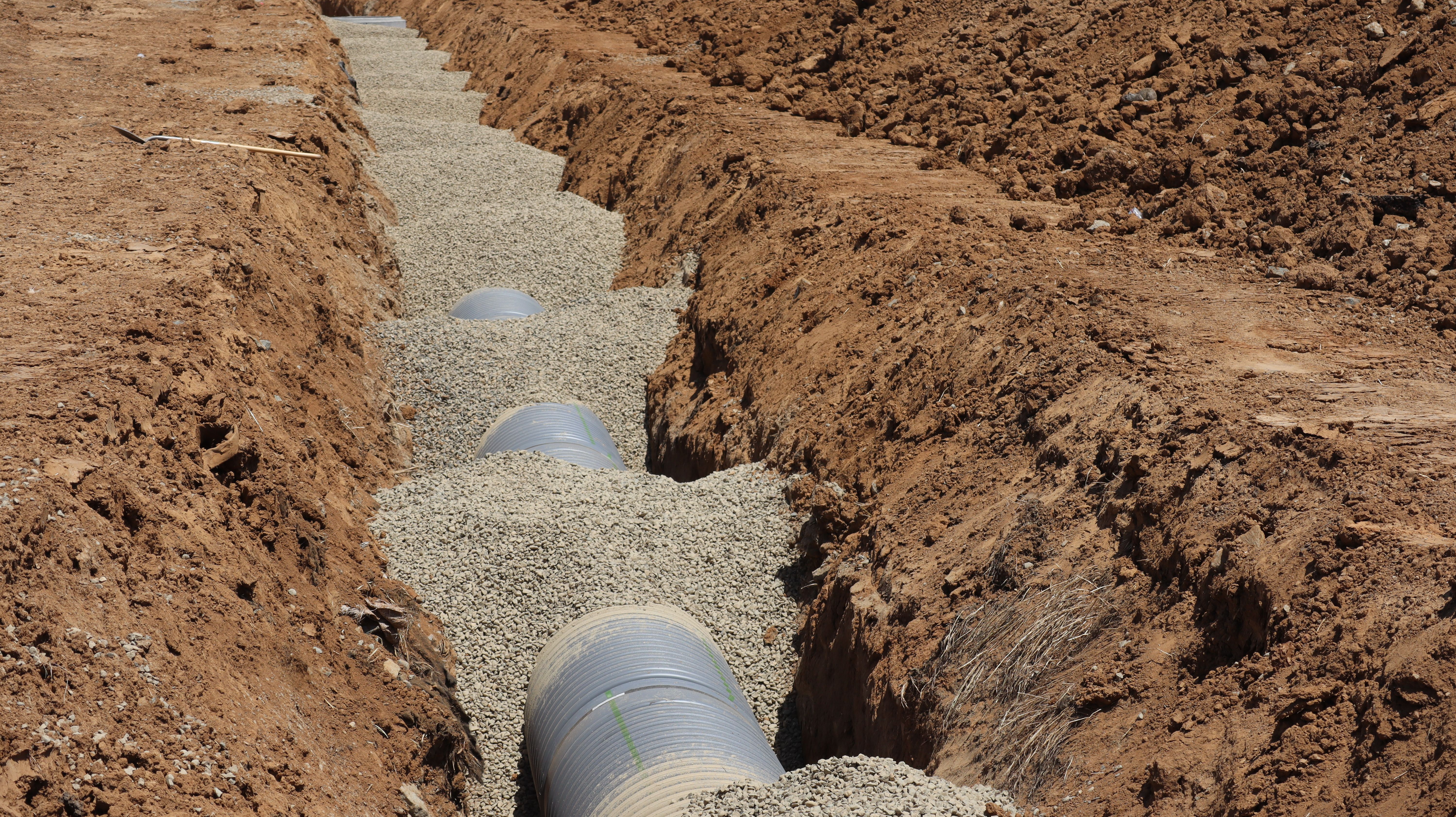
Soil and drain field are where costs really swing. The drain field is the most site-dependent part of the project. If you have clay soil or a high water table, the cost can double. That's not an exaggeration. A site that drains well can use a simple trench system; a difficult site may need mounds, sand filters, or other engineered designs.
Before you even get to digging, most counties require a percolation test. That test runs $250 to $1,500 and determines how well your soil absorbs water. It's non-negotiable in most places, so budget for it upfront.
How to Estimate Your Own Cost
You can get a ballpark without waiting for contractor quotes. Use the septic cost estimator to enter your bedrooms, soil type, and lot slope. It'll give you a tank size and a sensible cost range, and it will flag when an engineered system is likely.
That last part matters. If your estimate says "engineered system likely," you should expect to budget at the $15,000+ level. Don't be surprised if a contractor quotes in that range on a difficult lot. The estimator won't replace a site visit, but it will frame your expectations.
Break-Even Thinking: When Does a Septic Make Sense?
If you're comparing septic to municipal sewer, the math is simpler. A new septic can cost $3,500 to $12,000 upfront. Municipal sewer hookup fees vary widely, but often run higher, and you pay ongoing monthly charges. Over a 20 to 30 year lifespan, septic usually wins on cost.
But the real decision is about your property. If your lot doesn't perk, a conventional system may be impossible. That's when you're looking at the engineered systems. Before you buy land for a custom build, check the soil. A cheap lot with bad soil can cost you $30,000 or more in septic alone.
Budgeting for the Long Haul
Remember the total cost isn't just the install. A well-maintained septic lasts 20 to 30 years if you pump it every 3 to 5 years. Pumping costs a few hundred dollars each time. That's small compared to a failed system, which could mean a full replacement.
If you're planning a build, include a line item for the septic install, but also a separate line for the perc test and any soil reports. Those site studies are cheap insurance.
When you're ready to move from estimate to reality, you'll need a local contractor. Your local health department can give you a list of licensed installers. Get at least three quotes, and make sure each includes the drain field, not just the tank.
One last tip: if you're working with a site that might need an engineered design, talk to a septic designer before you buy a system. It'll save you from surprises later. And if you're still figuring out your lot's potential, a Land planner can help you map out where a septic field might go.
What About Permits and Inspections?
Your county will likely require a permit, and the permit fee is usually included in the contractor's quote. If it's not, ask. Inspections happen at several points: before backfill, after install, and sometimes during. These add time but not much cost.
The biggest hidden cost is often the soil investigation. If a perc test fails, you may need a more detailed site evaluation. Those can add a few thousand dollars and will push you toward an engineered system.
Quick Checklist Before You Buy
- Get a perc test or review an existing one.
- Determine your bedroom count for sizing.
- Use the estimator to get a baseline range.
- Get three quotes that include the drain field and permit.
- Ask if your soil is suited for a conventional drain field.
Your septic system is a 20-year investment. It's worth getting the estimate right.
Frequently asked questions
How much does a 3-bedroom septic system cost to install?
A conventional system for a 3-bedroom house typically costs $3,500 to $12,000, depending on your soil and drain field.
Why do some septic systems cost $30,000?
Complex or engineered systems, such as mounds or sand filters, cost $15,000–$30,000+ because they're needed for poor soil, high water tables, or steep slopes.
Is a perc test required before installing a septic system?
Yes, in most counties. A percolation test costs $250–$1,500 and determines if your soil can support a conventional drain field.
How often should I pump my septic tank?
Every 3 to 5 years, depending on usage. Regular pumping prevents system failure and extends lifespan to 20–30 years.
Can I install a septic system myself to save money?
It's not recommended. Most states require a licensed installer for permit approval. Mistakes can be costly and may violate regulations.
How do I estimate my septic tank size?
Use the rule: 1,000 gallons for up to 3 bedrooms, 1,250 for 4, and 1,500 for 5. The estimator will do this for you.
Does the drain field affect the final cost significantly?
Yes, it's the most site-dependent part. Clay soil or a high water table can double the drain field cost, pushing totals towards $15,000+.
What should my budget include besides the tank and drain field?
Budget for the perc test, permit fees, soil reports, and inspections. These can add a few hundred to a few thousand dollars.
Sources cited
- Conventional septic system installed (US, 2026): $3,500–$12,000 typical; complex or engineered systems $15,000–$30,000+Source: aggregated contractor ranges · verified 2026-08
- Tank size rule of thumb: 1,000 gallons for up to 3 bedrooms; 1,250 gallons for 4; 1,500 gallons for 5Source: common state sizing tables
- Percolation test: $250–$1,500; required before permit in most countiesSource: aggregated ranges · verified 2026-08
- Drain field: the most site-dependent cost; clay soil or high water table can double itSource: septic design practice
- Lifespan: 20–30 years with pumping every 3–5 yearsSource: EPA guidance
Sources and author
Terramify editorial team
We write every guide from public sources, verify each figure against its source and date it. Calculations follow the methodology page. A licensed reviewer is being added; until then nothing here replaces a surveyor, architect or engineer.
Indicative estimate · not a survey or a design · see methodology
Keep reading
Related tools
Apply this to your real plot: draw it and see what fits.
Open the planner